hereafter
2018 / Artereal Gallery
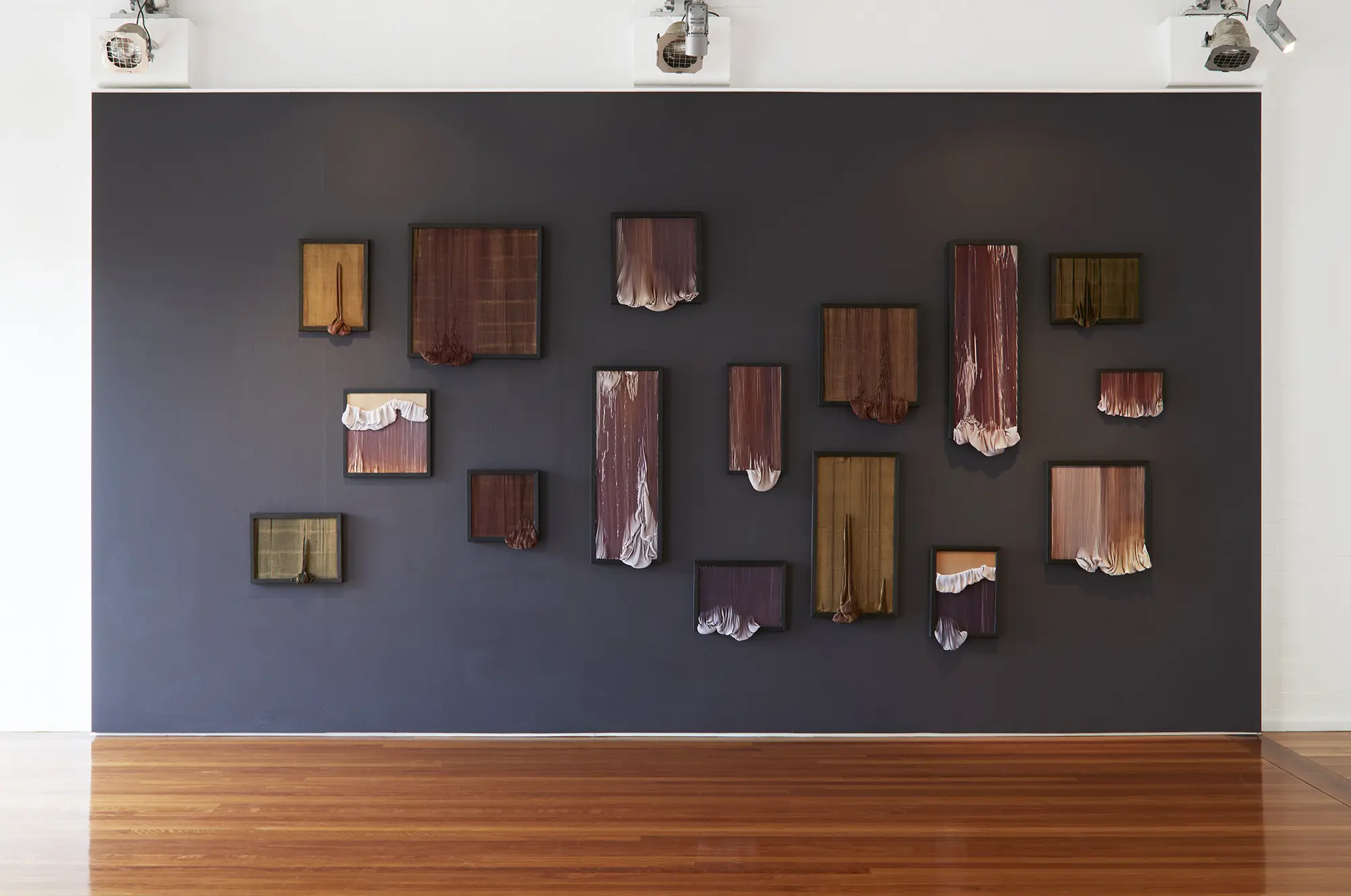
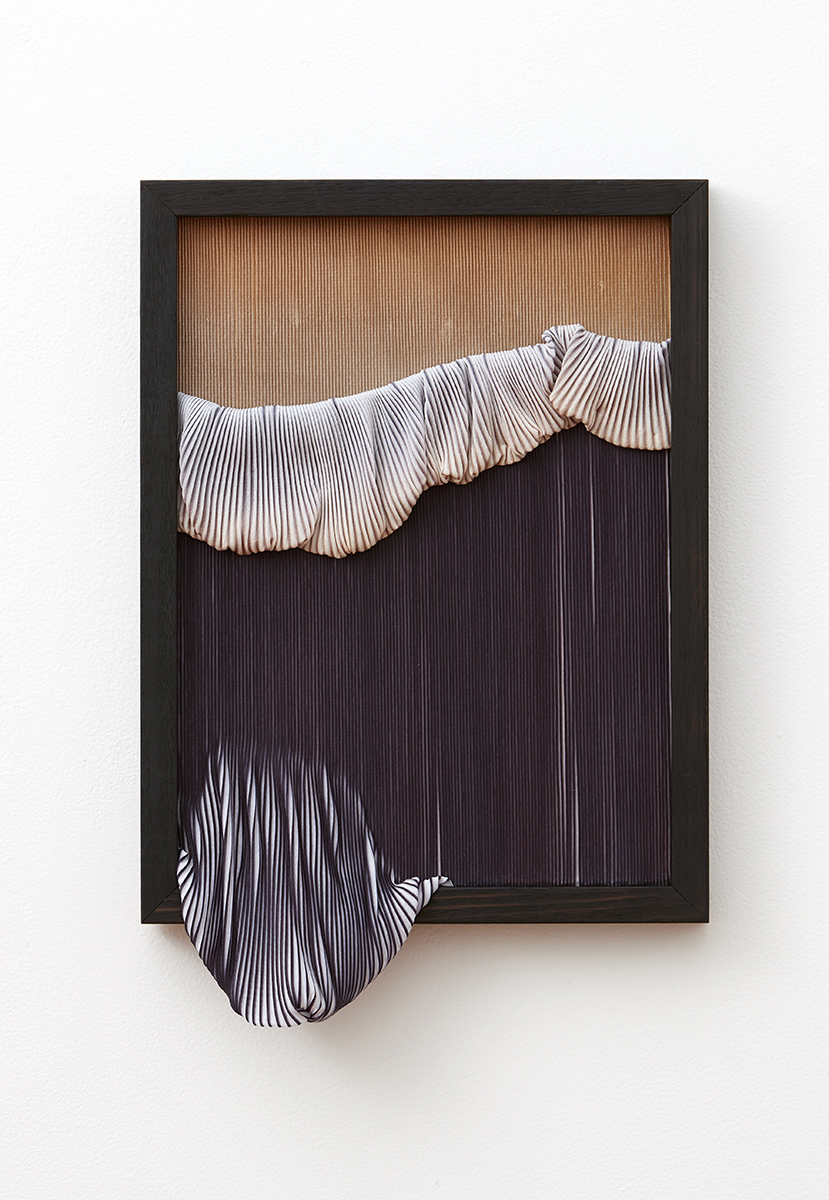
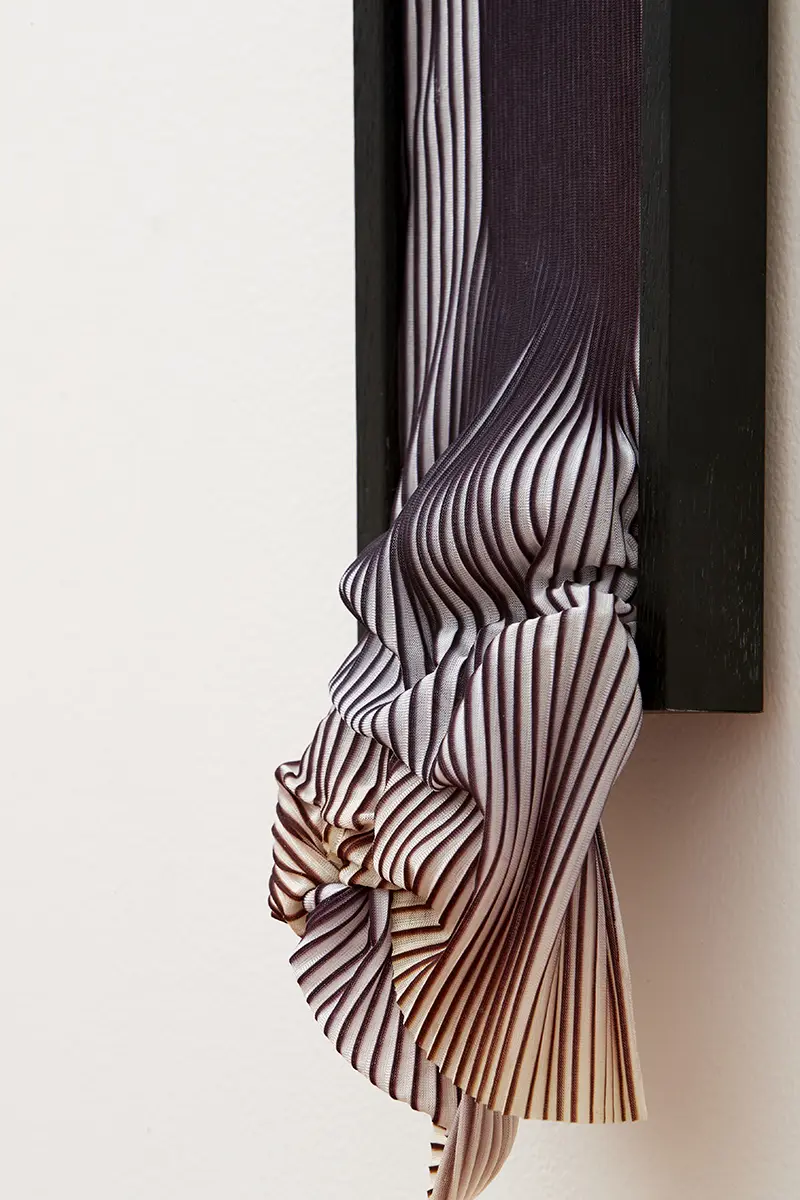
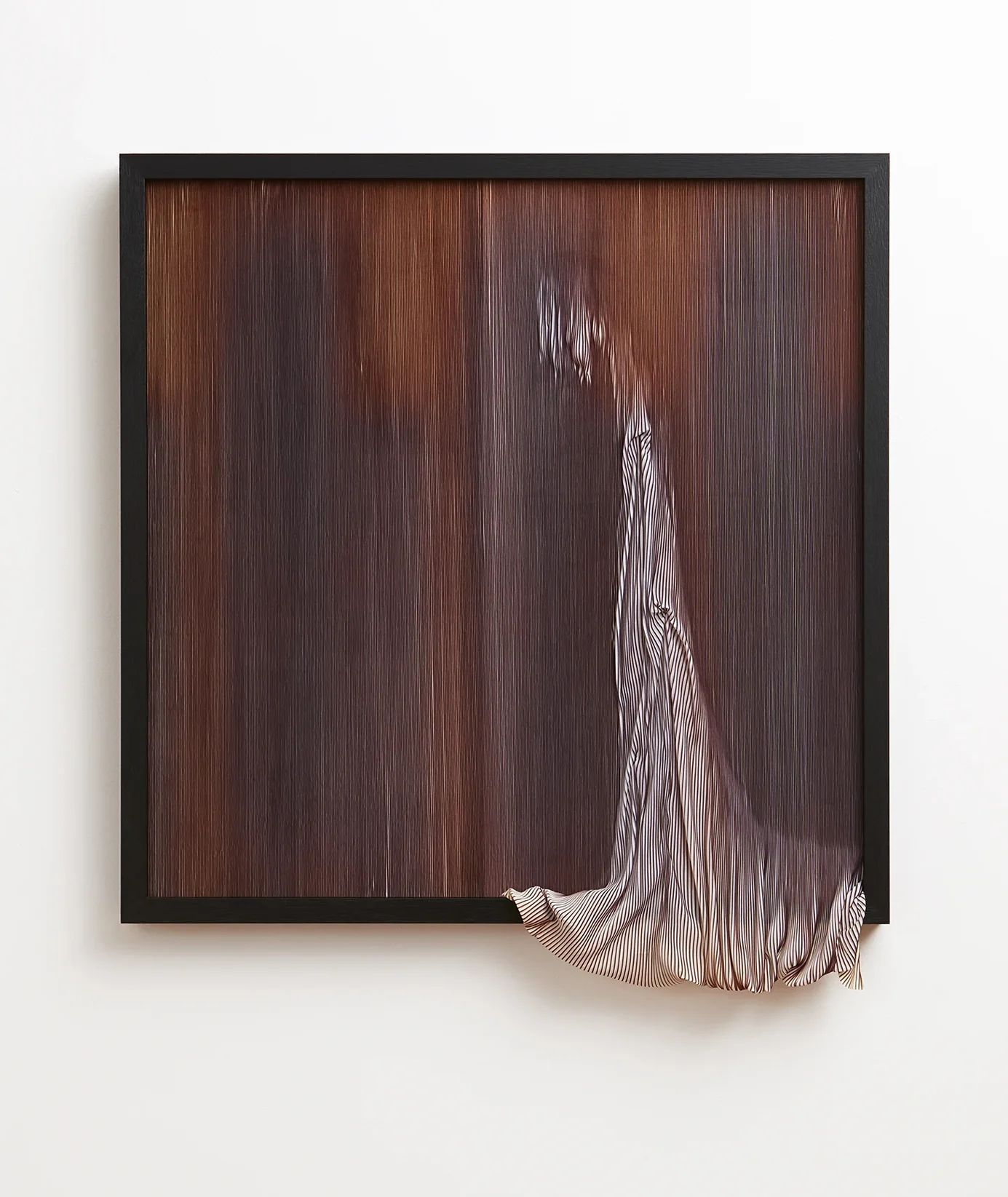
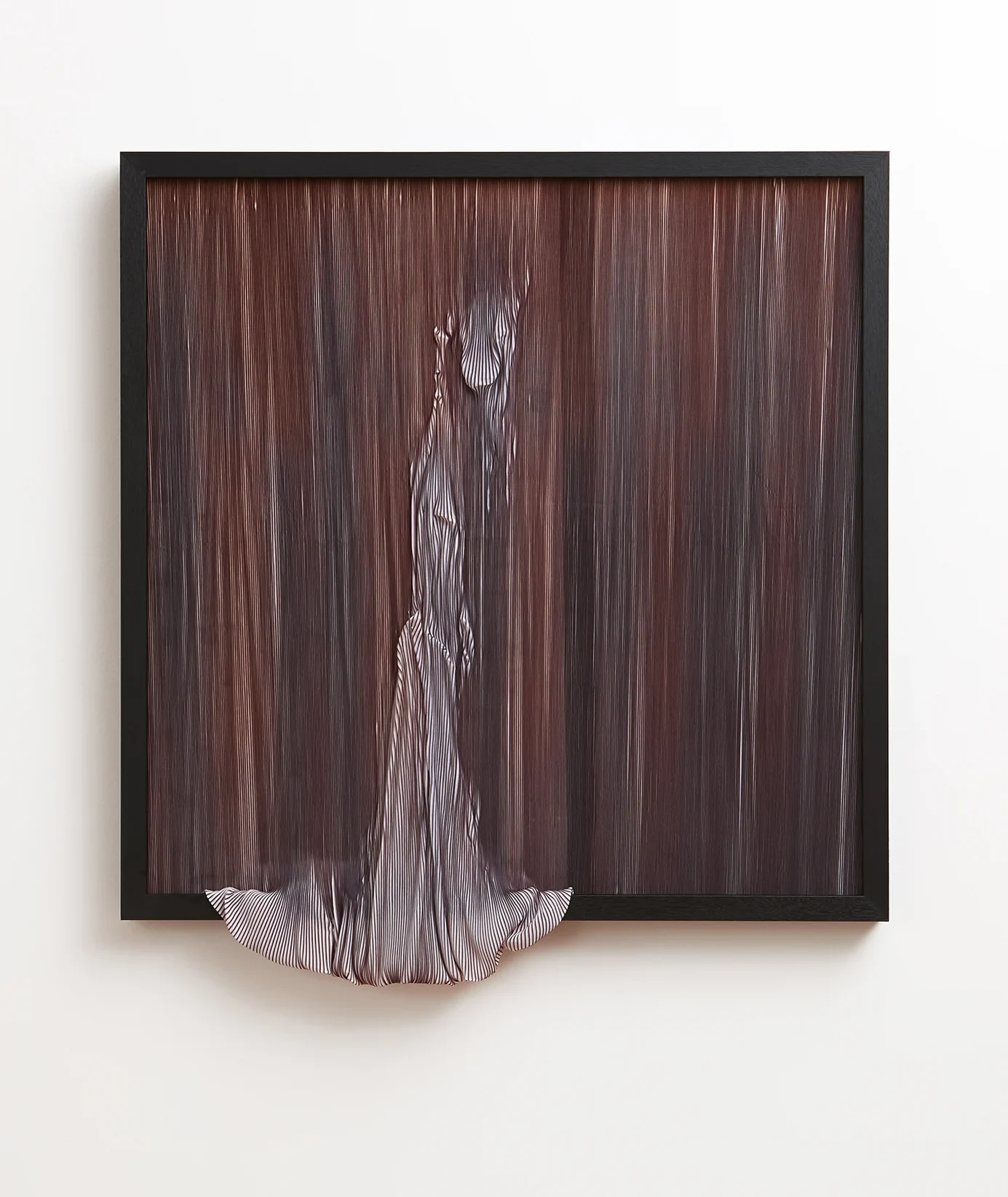
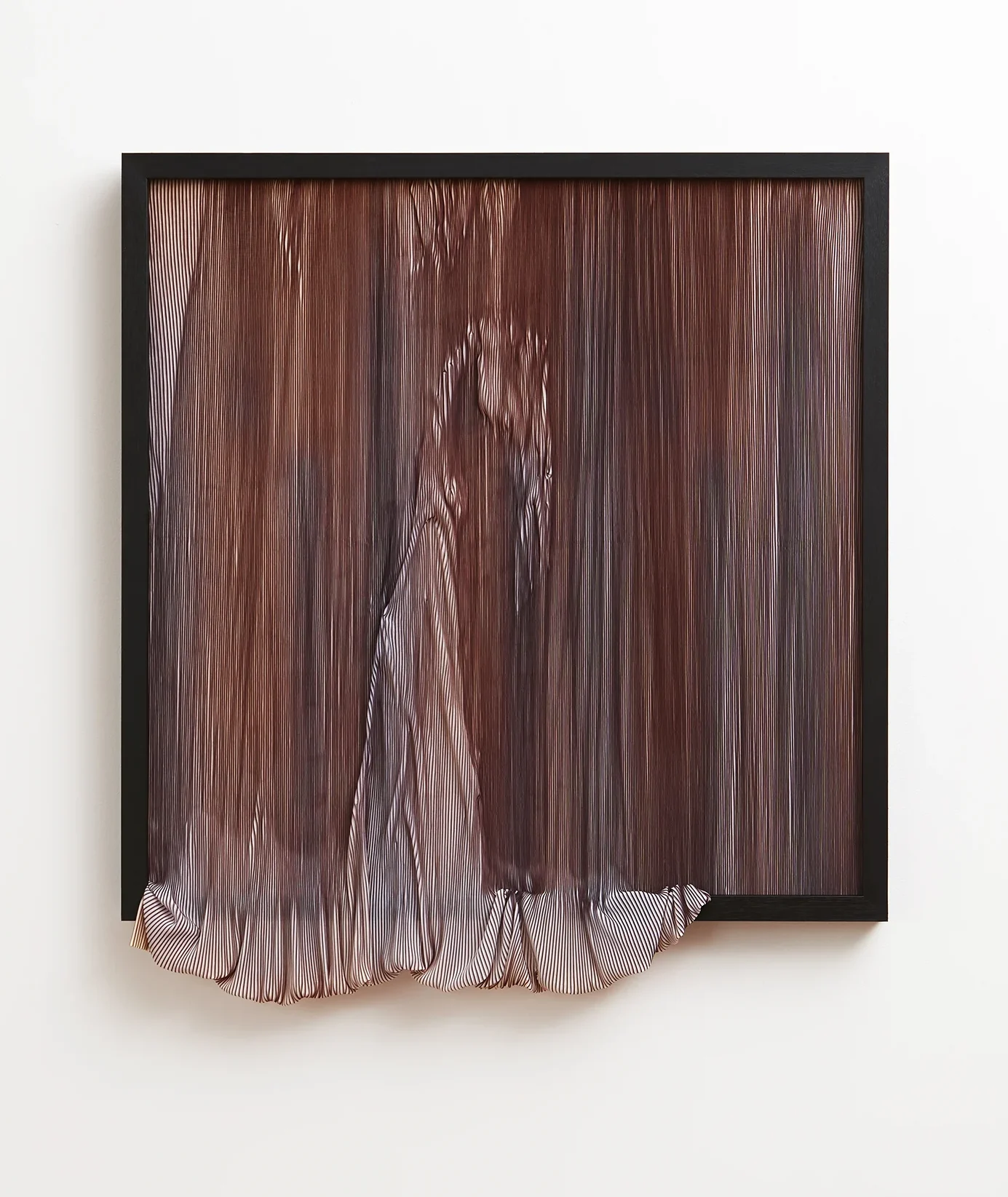
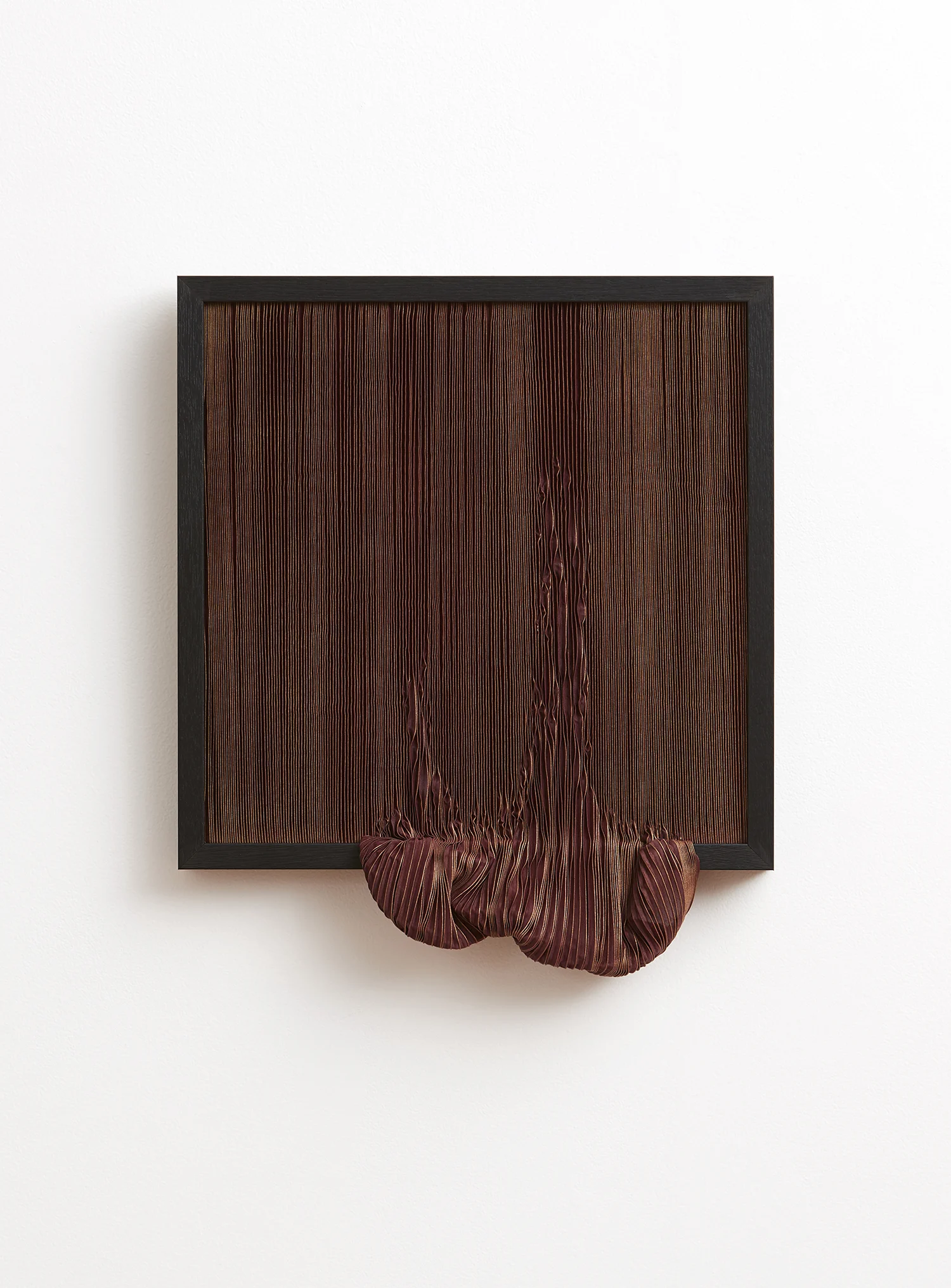
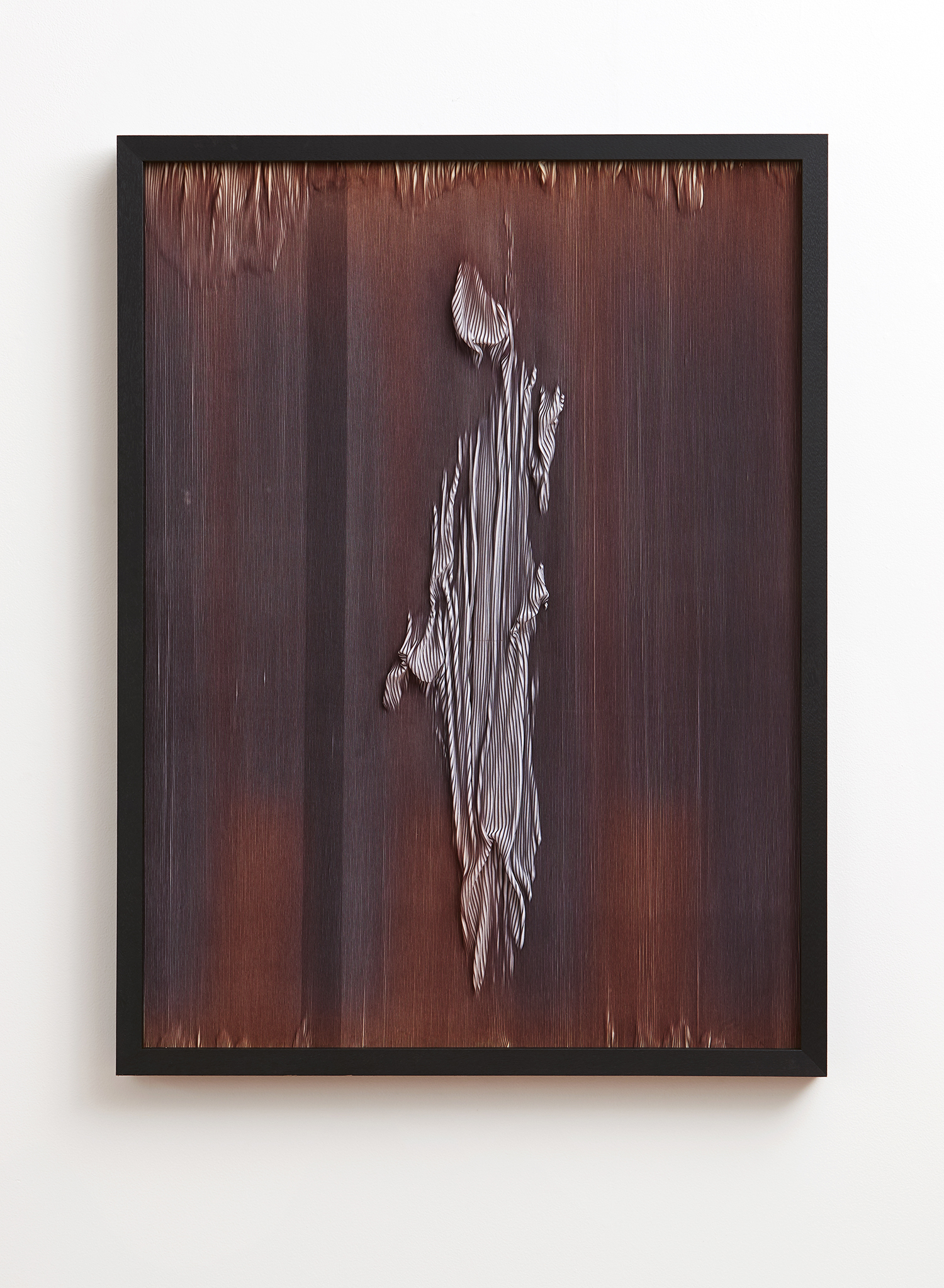
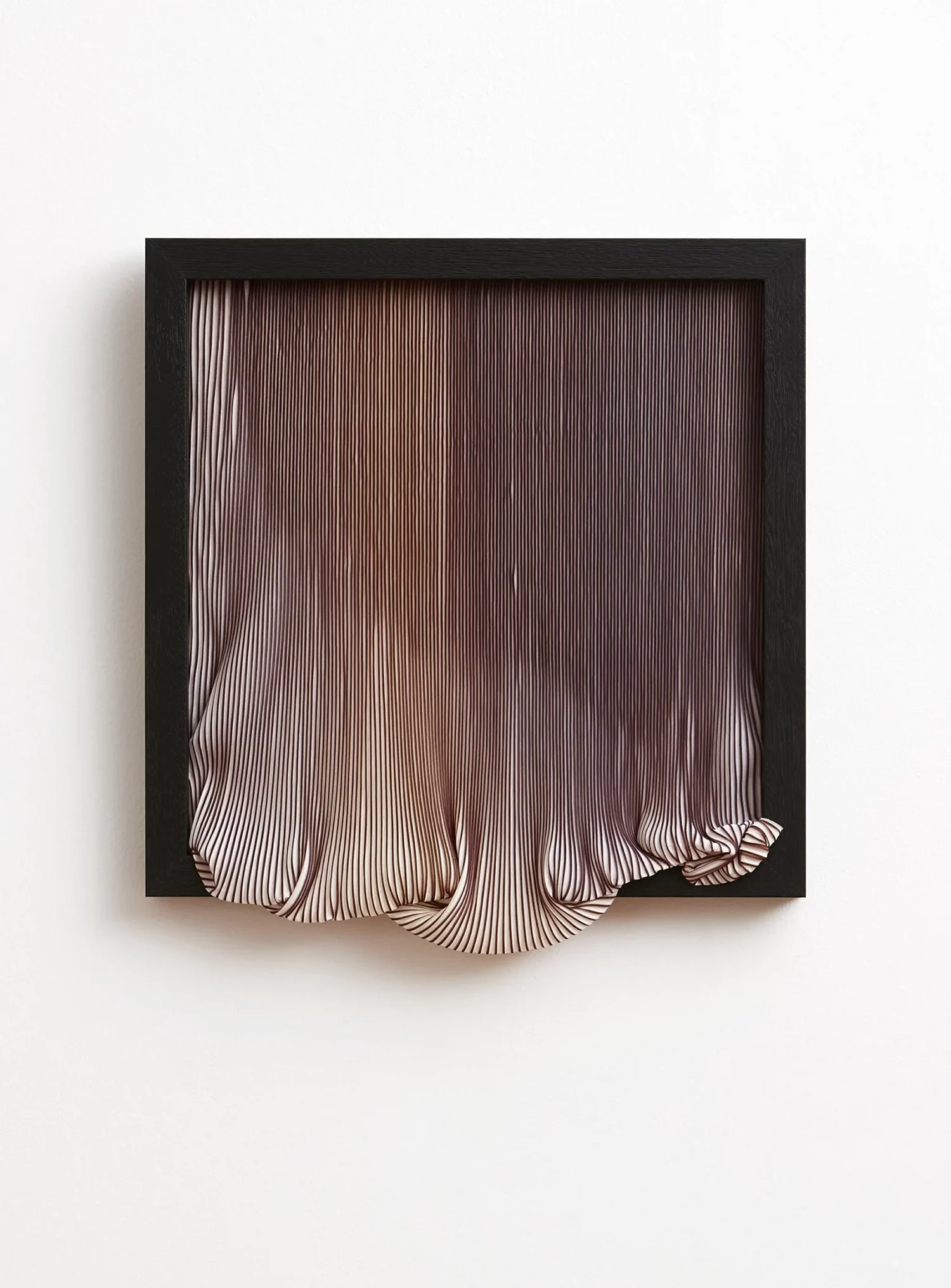
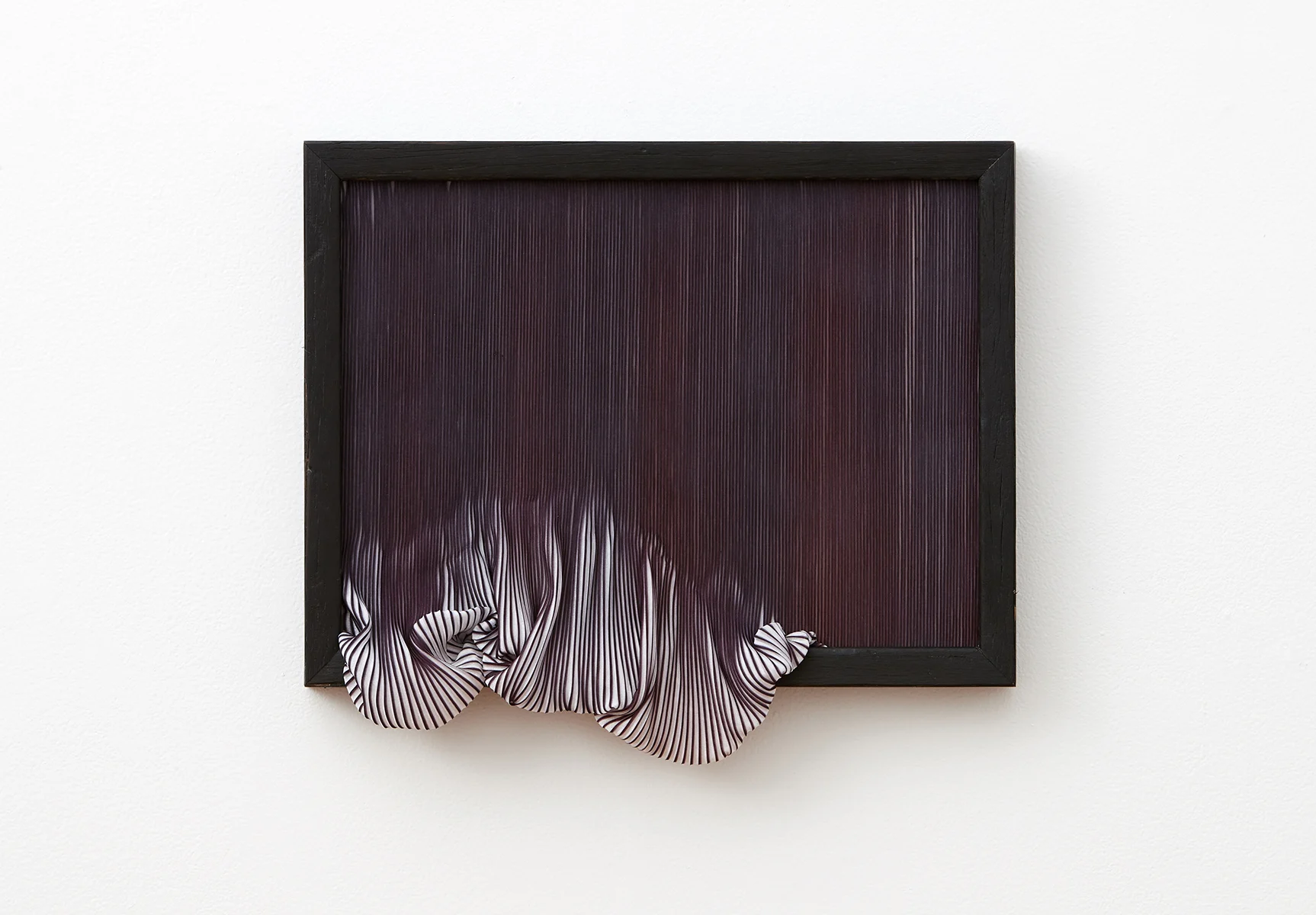
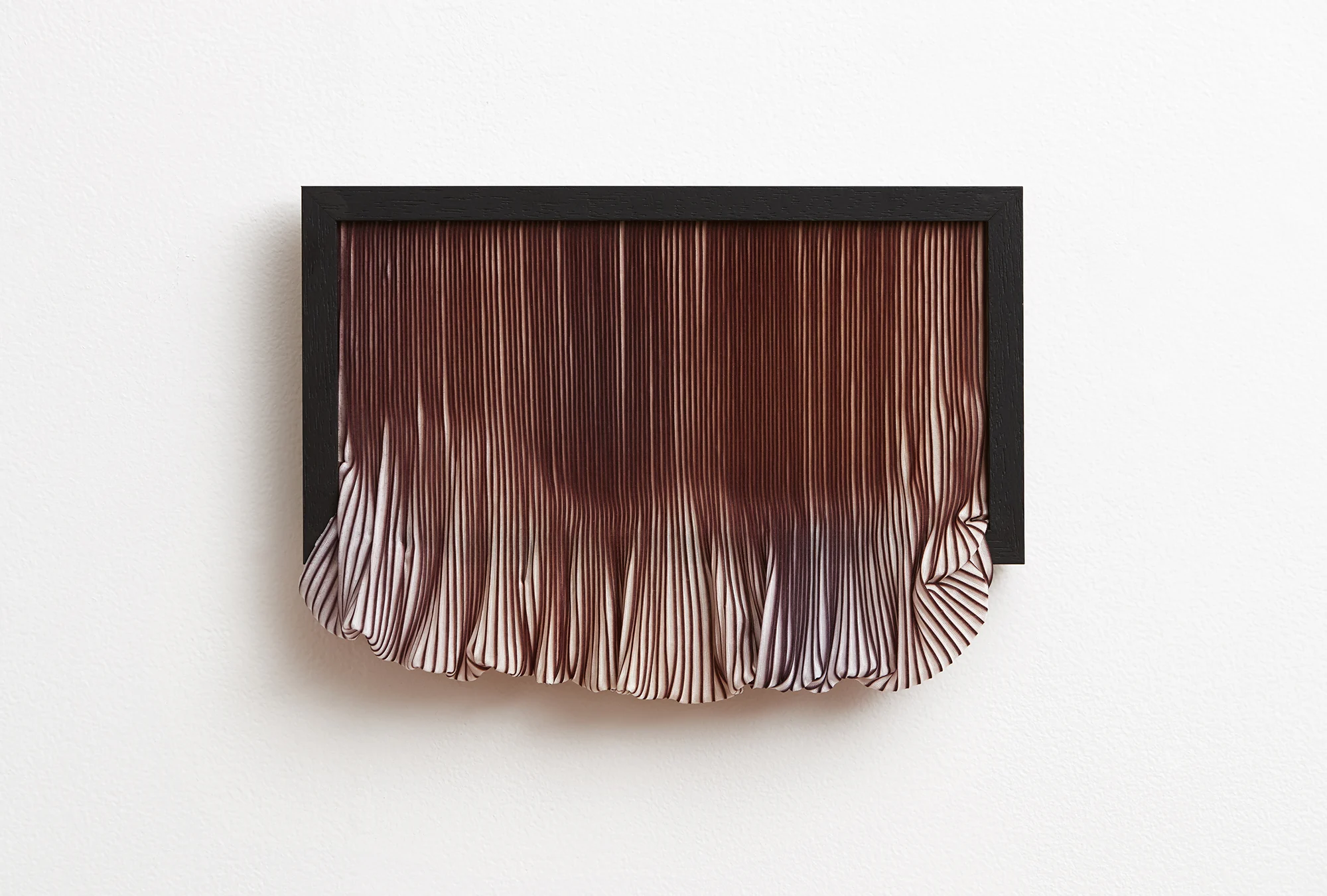
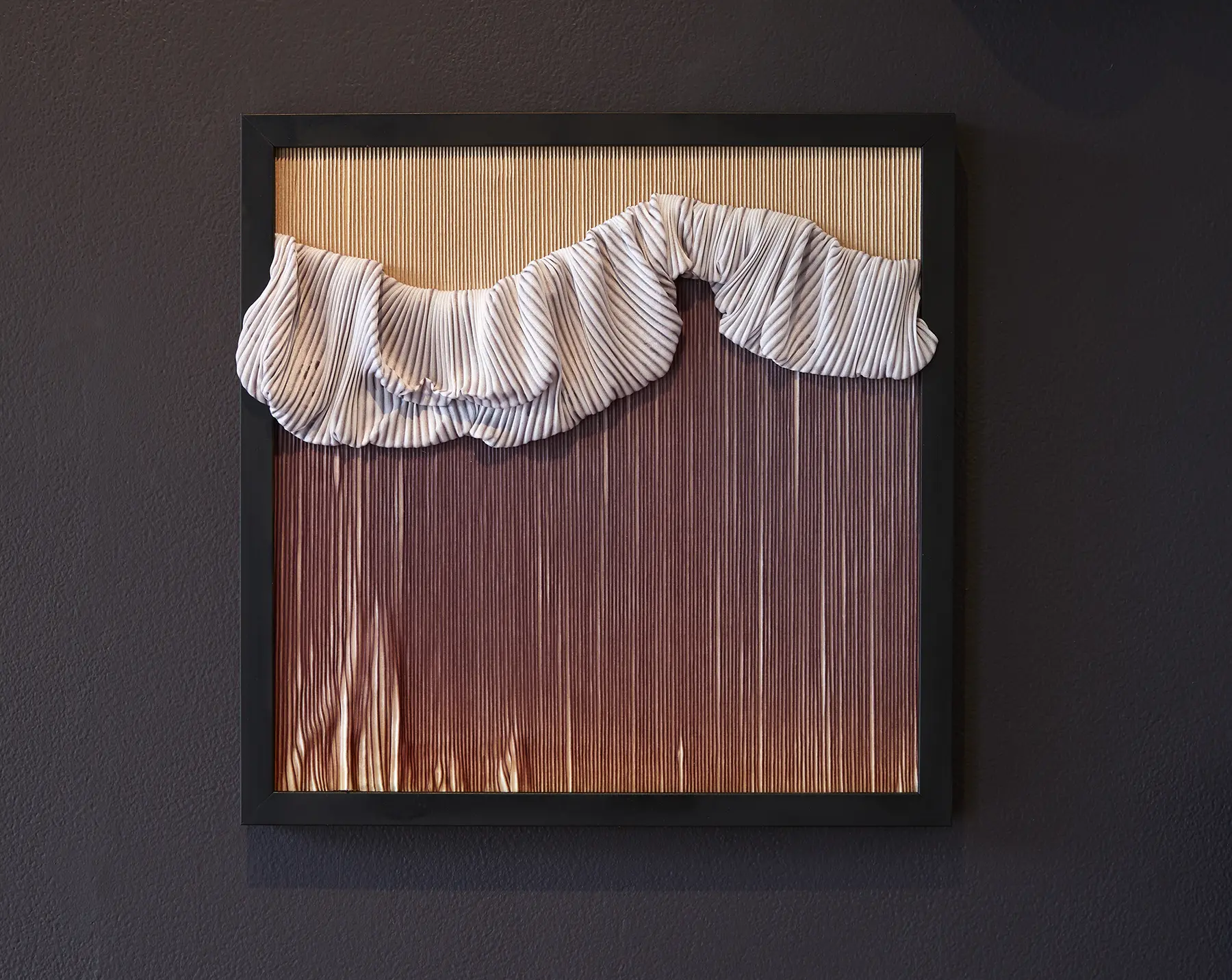
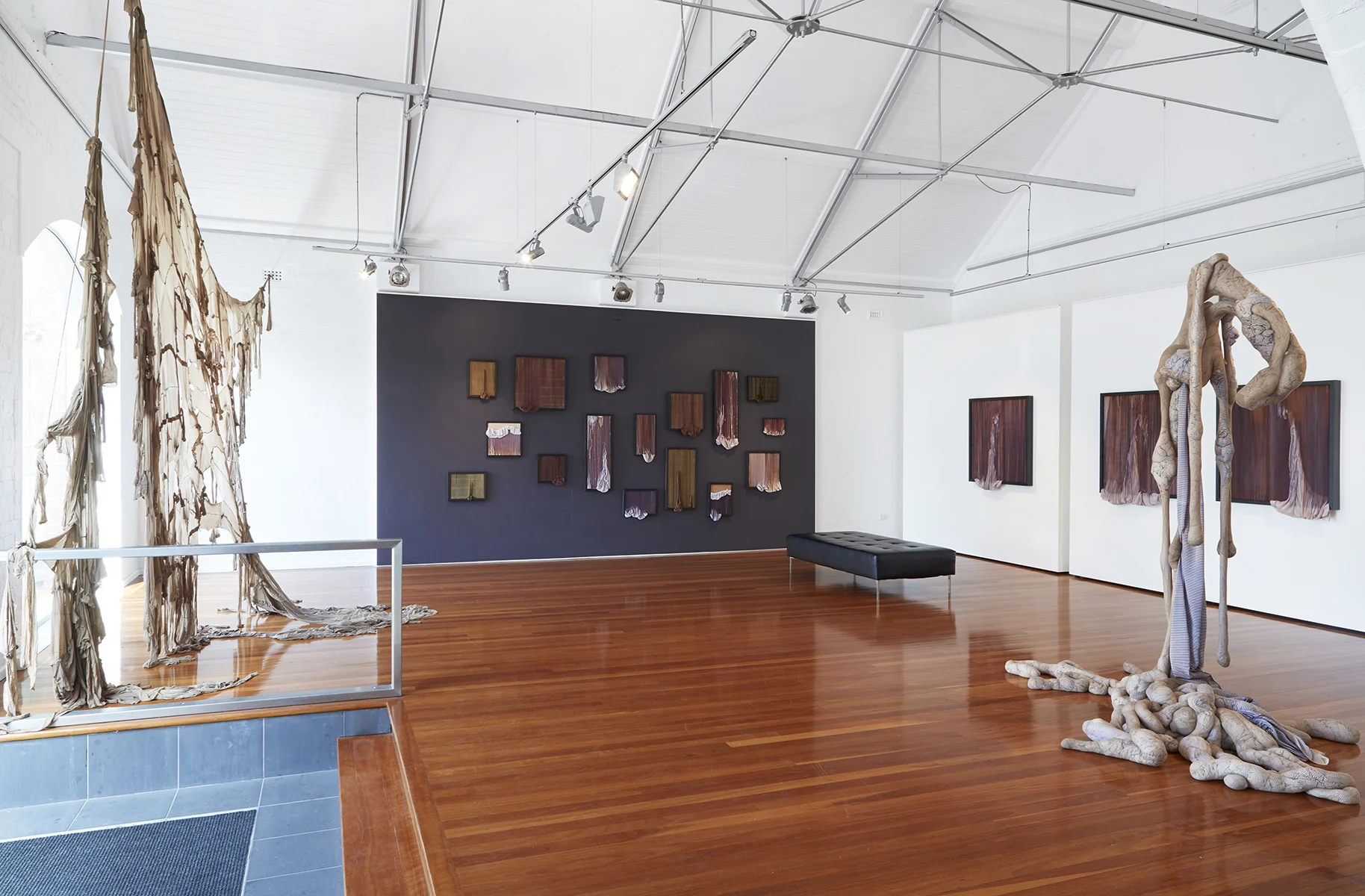
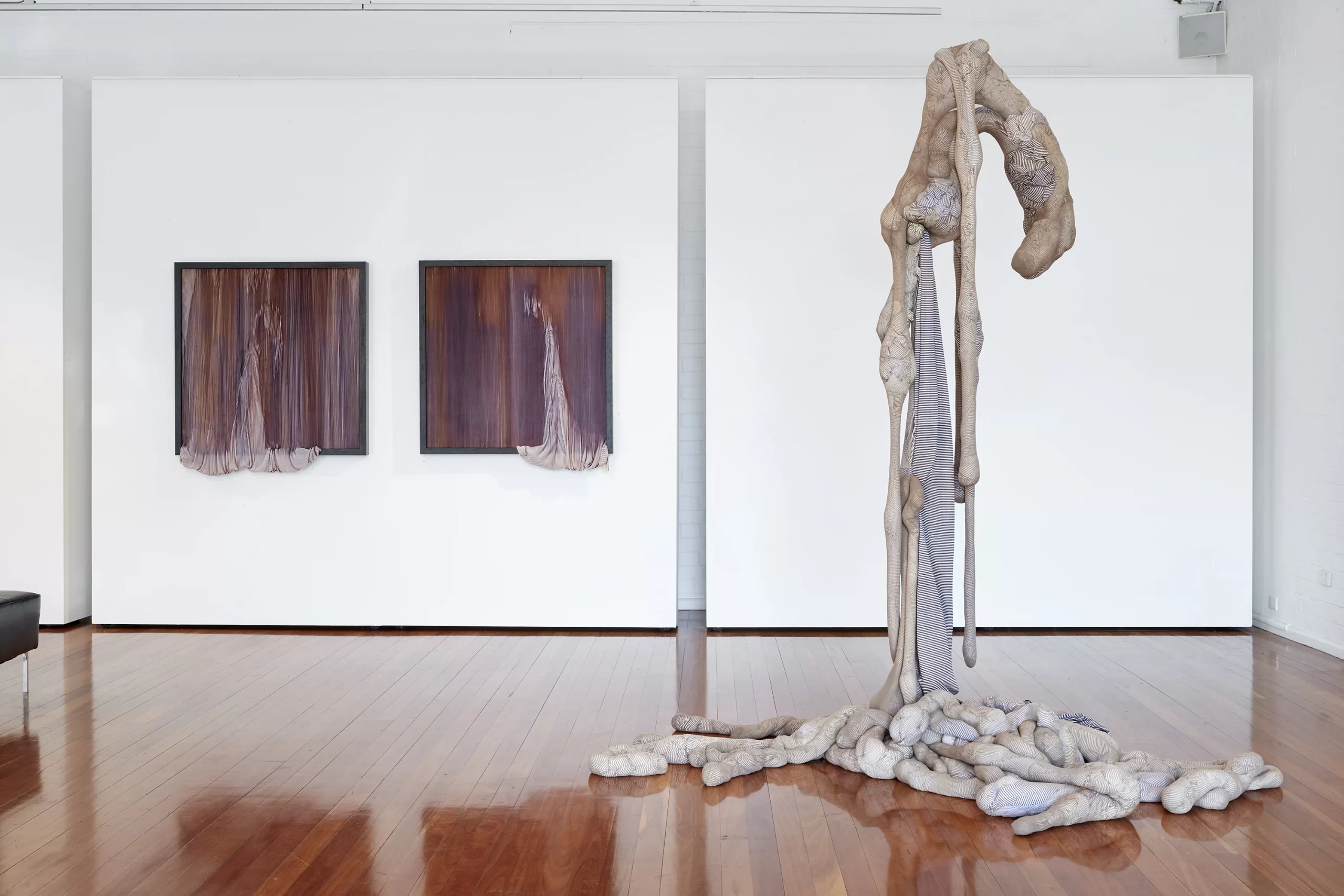
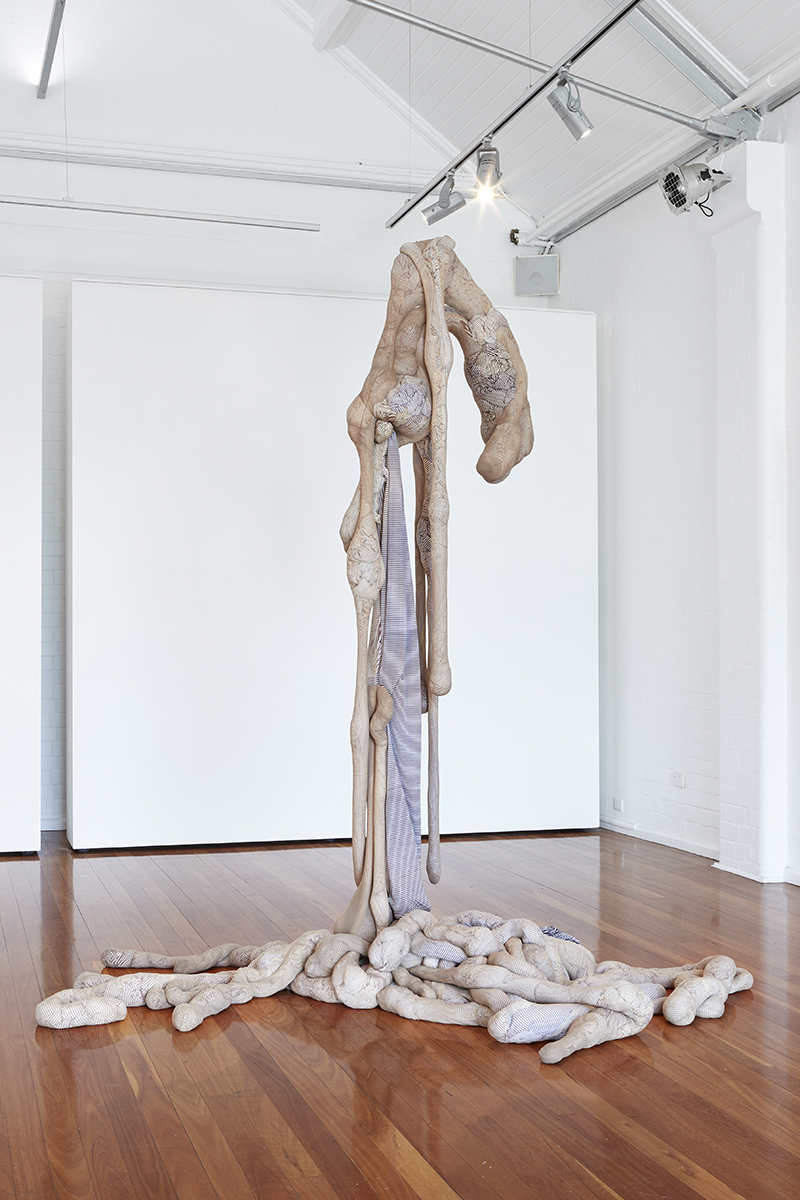
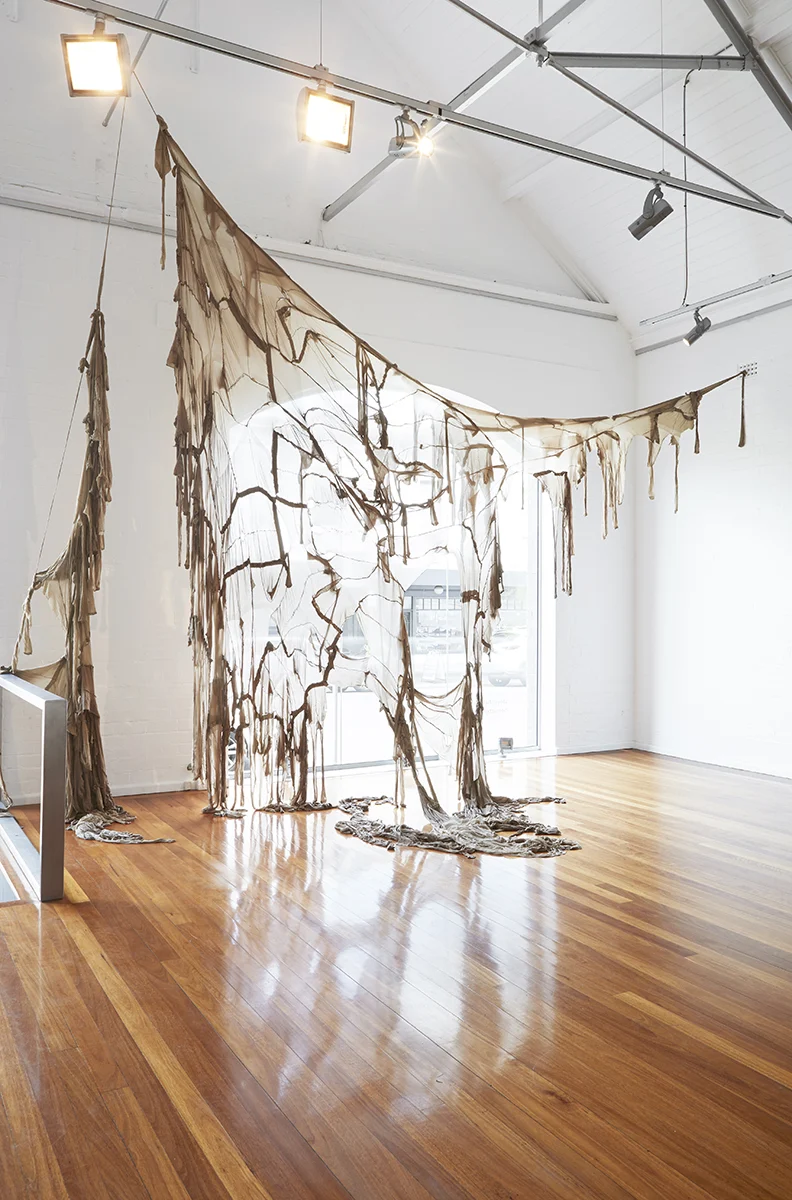
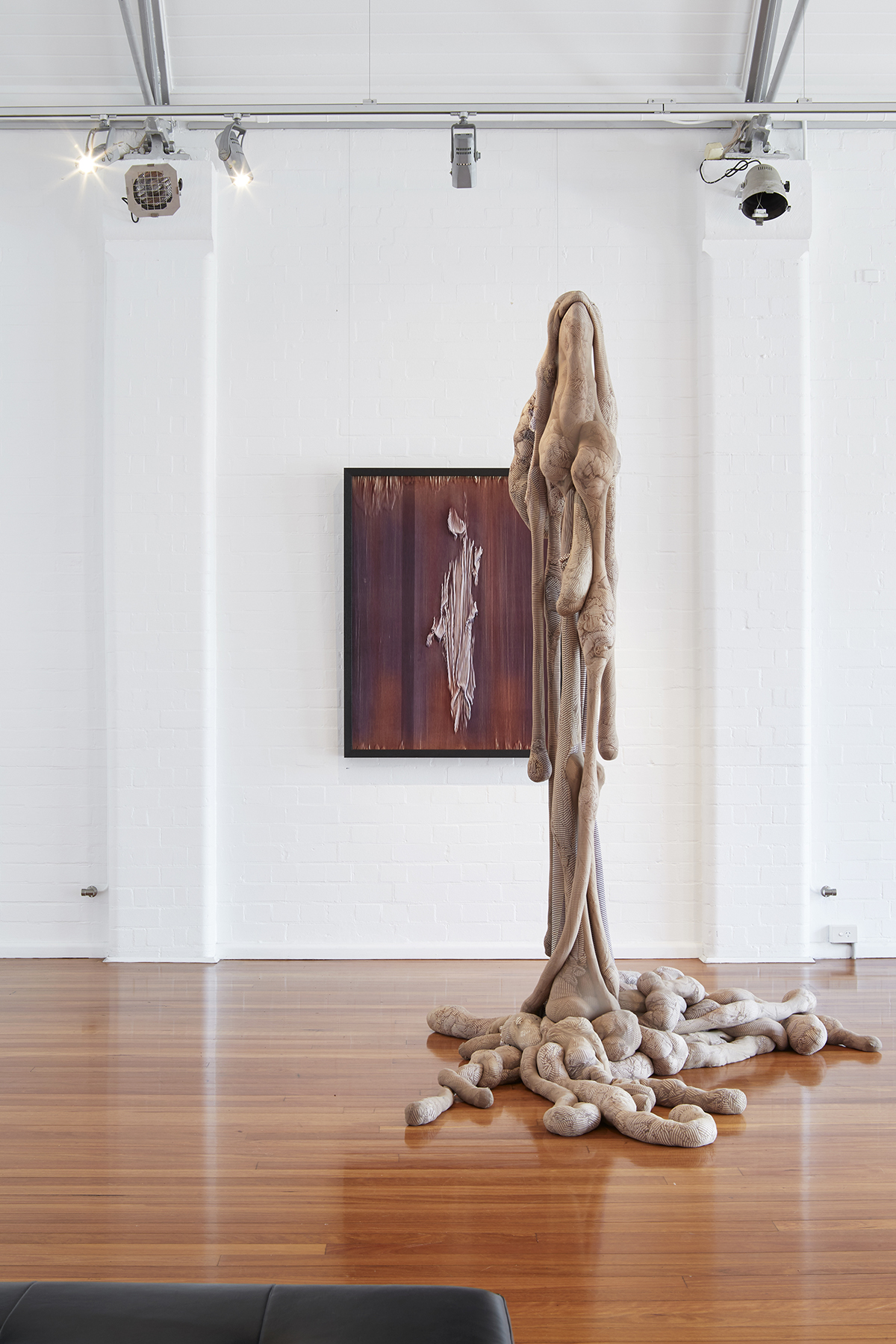
Irrespective of her medium, whether glass, wood or textile, Stevie Fieldsend’s art is visceral; it is vested in flesh and blood, born of her subconscious; redolent of the life force, of mystery, angst, desire. Her works are maternal, matriarchal, spawned, connected, morphing, giving birth to each other.
“ I don’t start my work with an intellectual premise or a fixed concept it begins more with a daydreaming or a starting point of doing something around - say fantasy - which summons particular materials and repetitive gestural patterns. My mind offers up ideas and my body and gut decide which way to go - but it’s a balance rather than any one leading force – I guess my work is process driven and relies on curiosity, experimentation and resonance.
It’s a way to express physiological sensations that are not captured in words – a response that is pre-verbal. The interwoven strands are the female body, the life force and cycles of life and death, fantasy, disassociation, profound grief and wonder… All my work is deeply personal and this new body of work is no exception.”
Textiles, fluid, finely-pleated synthetic fabric and fleshy stretch stockings form the hereafter works:
“My favourite thing about working with a new material is finding out its secrets, its ways of being – I feel like I have been invited into its world – it’s an intense relationship with the material – this dialogue of intent, gestural actions; of reacting, of pushing it to its limits, of responding to its possibilities, the pull of gravity and the way it falls and of failing and of triumph. For me materiality informs the concept as much as the concept informs the materiality - it’s a symbiotic process and I believe the material I use is always a reflection of my emotional state…
Any material I use needs to capture my wonder, it has to keep surprising me – if I am in complete control – I lose interest real fast, a bit like a cat with its prey. I need it to go in directions that I hadn’t foreseen and also let it have its god-damn say – and tell me something that I didn’t know!”
The artist describes an alchemical and cathartic experience in the creating of works for hereafter:
“It conveys a feeling of exceeding boundaries, of being out of the body, the fissures between internal and external. The sensation of being pulled out of myself, the inside becoming outside. A maturation process in flux…
“The resultant works show my psychic space. It makes sense and brings meaning to my world. It tells me my story, both conscious and unconscious through the act of making, of bodily gesture; aspects of curiosity, imagination and materiality. I create my own personal magical alternate world where rules don’t apply, everything is possible and there’s a sense of timelessness. I get to return to the curious kid in me and play. And it’s this magical intersection of when daydreams become reality that reality is transformed to landscape full of possibility.
Integral to my work is a sense of movement, a feeling of falling, the gravitational pull of weight, of arriving, going to, coming from, letting go, cycles of leaving and returning and leaving again. The idea that seemingly fixed states of being can in fact change given the right circumstances and alchemy within the material – the struggle of freedom and liberation – the essence…”
– Barbara Dowse
Curator, Artereal
Photography Zan Wimberly
ART ALMANAC / Nov 2018
Review by Eleanor Zeichner
American Author Adrienne Rich wrote in her 1976 book Of Woman Born: On Motherhood as an Experience and Institution, ‘All human life on the planet is born of woman. The one unifying, incontrovertible experience shared by all women and men is that months-long period we spent unfolding inside a woman’s body.’ The unfolding that new life precipitates, at first hidden and private, then propulsive and visceral, is captured in the material exploration of Stevie Fieldsend’s new series hereafter.
A series of wall based sculptural works varying sizes and formats draw the viewer to closely observe their making. Tightly folded pleats of fabric strain and droop, creating kinks and fissures that reveal white beneath ox blood red. The fabric resists containment, spilling over the frame, fanning outwards like a flower. The material’s autonomy implies the porousness of the borders of the human
bod, the female body, vulnerable to the effects of time and gravity. The unfolding feels intrinsic and fated.
As Fieldsend says, ‘Integral to my work is a sense of movement, a feeling of falling, the gravitational pull of weight, of arriving, going to, coming from, letting go, cycles of leaving and returning and leaving again.’ In succumbing, these works also imply the collapse and decay of the human body after death. The show’s title implies an event horizon, a ‘from-now-on’ that casts off the past but forever bears the marks of passing.
Fieldsend’s practice is process driven and intuitive, entrusting materials with freedom to do what they need to do. As she explains, ‘Any material I use needs to capture my wonder, it has to keep surprising me.’ Her series mira mira, also at Artereal, similarly used warped and ruptured fabric to reveal a shock of cobalt blue beneath gold. In this context, the textile implied the magic and sumptuous theatre drapes or the psychedelic gills of mushroom. Fieldsend received her training in glass at Sydney College of the Arts and JamFactory Craft and Design Centre; perhaps as a result her approach to materials is decidedly sensual and mecurial. In her 2014 exhibition ‘Umbra’, which explored the potency of Malu, the Samoan ritual which covers women’s upper legs, viscous molten glass shapes interplayed with the swish of fringe and the dignified bearing of tree trunks.
More recent sculptural work has used black and flesh-toned pantyhose, another container for women’s bodies. Also exhibited in ‘Umbra’, a bulbous masses of tinted glass weigh down the pantyhose, testing their strength and stretch. A more recent work, The Lingers, included in a group exhibition at Artereal Gallery in April 2018, is stuffed with masses of polyester fabric. The pantyhose are sewn together into fleshy tubes, spilling every which way. Their abundance feels excessive, almost defiant. Fieldsend writes that this work is ‘about how we can be hijacked by our physiological sensations which then spark into thought which then becomes our perceived reality.’ This work renders those dark thoughts as a physical presence, a literal elephant in the room.
A new freestanding sculptural work in hereafter (2018) further explores the physical properties of this material. Stuffed with the same tinted pleated fabric as the wall works, the dense mass of flesh-coloured stockings twists and binds itself together. Prolapsing forms bulge and worm toward verticality that seems provisional, as though the work is testing out it’s own strength, has met its limits and is in a state of collapse.Fieldsend describes her exploration of an idea through new materials as a ‘diaglogue of intent, gestural actions; of reacting, of pushing it to its limits, of responding to it’s possibilities, the pull of gravity and the way if falls and of failing and of triumph.’
‘The power o Stevie’s work lies within it being so deeply felt and personal – yet also expressive of and identifiable with the universal human condition,’ says exhibition curator Barbra Dowse. Inevitable to Adrienne Rich’s evocation of the universality if gestation and birth is its opposite - decay and death – and the works in this series hold the two in delicate balance.
Eleanor Zeichner is a writer from Sydney and current Assistant Curator at UTS Gallery.